-
1. What does THERMOLITE insulation actually mean?
-
2. Is “thermolite fabric” the same thing as “thermolite insulation”?
-
3. What does thermolite fabric actually cost?
-
4. What should I look for in waterproof fabric wholesale?
-
5. What should a softshell fabric manufacturer provide before I commit?
-
6. What to look for in an oxford fabric supplier
-
7. What test reports should come with a performance fabric quote?
When I first started handling fabric purchasing for a 25-person apparel company, my process was simple: compare quotes per meter, pick the lowest, move on. That worked when I ordered office supplies. It doesn't work as well when you're sourcing technical textiles. If you're evaluating THERMOLITE insulation, thermolite fabric, waterproof fabric wholesale, or trying to find a softshell fabric manufacturer you can trust, these are the sourcing questions I ask now.
1. What does THERMOLITE insulation actually mean?
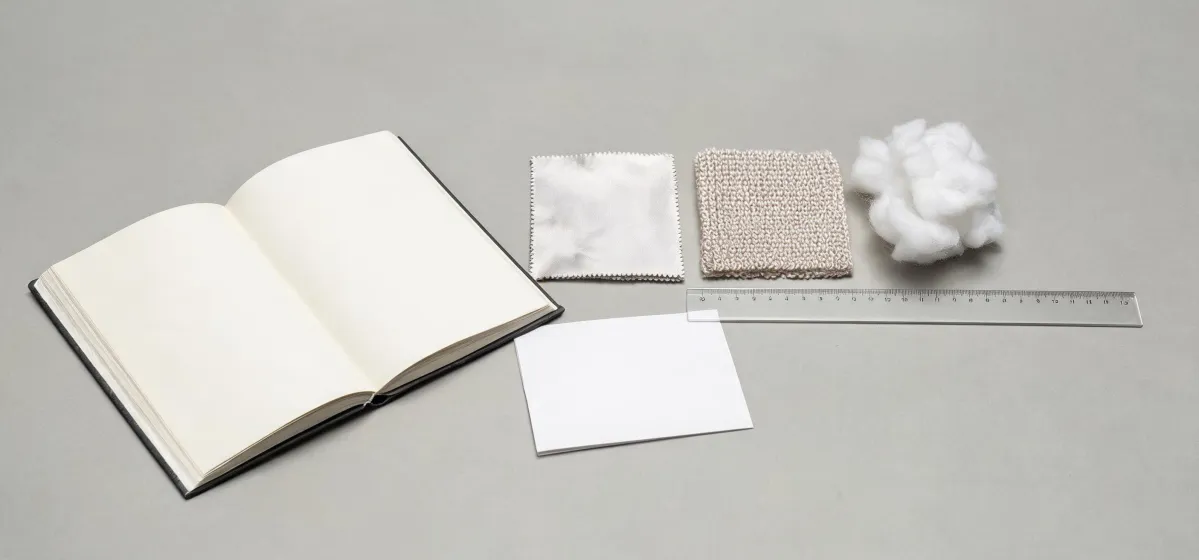
THERMOLITE is a brand, not a single fabric construction. When a textile supplier says “thermolite insulation,” they usually mean a synthetic insulation technology designed to trap air and keep warmth close to the body. It can be supplied as loose fiber fill, quilted batting, or a knit/woven fabric engineered for thermal performance.
Here's where the confusion starts. From the outside, a brushed polyester knit and a true THERMOLITE insulation layer can look almost the same. The difference is in the fiber structure and the licensing behind it. If the price is dramatically below the market range but the fabric still says it is genuine THERMOLITE, ask for proof that the branded fiber is being used. For an OEM order, a hangtag is not enough.
2. Is “thermolite fabric” the same thing as “thermolite insulation”?
Not necessarily. In my experience, thermolite insulation means the fiber/fill layer that actually provides warmth. Thermolite fabric is the broader, looser term. It might be a fabric knitted from branded thermal yarn, or it might simply be a brushed polyester labeled as thermolite for search visibility.
This distinction affects your materials list. A jacket could use a polyester taffeta outer shell, an insulation layer in the middle, and a knit inner lining. Only one of those has insulating properties. When I ask a supplier to define which part is thermolite, I get better answers—and fewer expensive surprises.
3. What does thermolite fabric actually cost?
Let's get one thing out of the way: I don't mean the price per meter. I mean the total cost of putting that fabric into a product. A quote that is 15% below the competition can become the most expensive fabric in your supply chain if it arrives with shade bands, hidden defects, or late delivery.
In 2022, I approved a “great deal” on a thermal knit for a small jacket program. The fabric looked good in a 20cm sample. The full rolls didn't. We spent time quarantining yardage, replacing rolls, and covering extra freight. When I added everything up, the cheap fabric was neither cheap nor efficient.
Now I use a simple formula before comparing thermolite fabric vendors: Actual cost = quoted price + freight + duties + testing + expected reject rate + the hours your team spends on inspection and reorders.
If a supplier can't tell you their shade tolerance or defect rate, it's hard to calculate that number. Ask for it anyway.
4. What should I look for in waterproof fabric wholesale?
Start with a hydrostatic head number and the test method behind it. In waterproof fabric wholesale, saying “waterproof” without a water-column rating is marketing language, not a technical specification. Look for something like 5,000mm or 10,000mm tested under ISO 811, JIS L1092, or a comparable standard, depending on your target market. (The threshold should match your end-use—a poncho and a storm jacket are different products.)
Then ask what happens after laundering. Coating and membrane performance can drop significantly after washing; a fabric that starts at 8,000mm can fall below 3,000mm after a few cycles. If you are making garments, also think about seam sealing. A waterproof face does no good if needle holes are not sealed or if the supplier has not confirmed compatibility between film and tape.
That's part of the real cost, too. A low-priced waterproof roll that fails downstream testing will end up costing more than a slightly higher initial quote from a mill that has the data ready.
5. What should a softshell fabric manufacturer provide before I commit?
A good softshell fabric manufacturer gives you more than a swatch and a price. Softshell is a laminate system, even if that system is simple. Ask for a data sheet that covers the face fiber, membrane or coating type, stretch recovery, water column, and moisture vapor transmission rate if breathability is important to your customer.
The most frustrating part of softshell sourcing is the gap between a technical hand sample and a bulk roll. A sample can feel beautifully soft; the bulk can feel stiff if the lamination conditions change. So I ask for a production-like sample after the order is set up and before the full yardage is cut. The way a softshell fabric manufacturer responds to that request tells me more than their brochure does.
6. What to look for in an oxford fabric supplier
If your product is bags, cases, or outer shells, you've probably searched “what to look for in a oxford fabric supplier.” My short answer is: fiber type, denier, coating, and change control. Nylon oxford tends to be tougher and more abrasion-resistant; polyester oxford tends to be more economical and predictable for color. Denier changes the hand feel and the durability. A 300D oxford is not a direct substitute for a 600D oxford.
But the one area that most buyers miss is change control. A supplier can change the coating resin and call it “the same fabric” because the face looks identical. We once had an oxford fabric supplier switch coating sources without telling us; the material passed a quick spray test and then cracked after a few months in the field. That flaw only appeared after the finished goods reached users.
Now I request a change-notification clause in the purchase agreement. If the supplier substitutes yarn, coating, or finish, I want the right to review and approve it first.
7. What test reports should come with a performance fabric quote?
A shiny product page is not proof. For any fabric where you're claiming warmth, waterproofness, or durability, ask for the current test report and the standard it was tested to. For water performance, for example, AATCC 22 is a spray test, while ISO 811 and JIS L1092 measure hydrostatic pressure. They answer different questions.
For regulated markets, restricted-substance documentation also matters. OEKO-TEX Standard 100, REACH declarations, or bluesign evidence may be expected by your retail customer. If the supplier doesn't have them, the cost of testing falls on you. That belongs in the total cost calculation as well.
I don't need a binder of every test ever done. I need a clear, current technical data sheet from a trusted laboratory. Without it, I'm not comparing quotes—I'm guessing. And guessing is the most expensive way to buy fabric.